Top Orthopedic Surgeon Admits: “We’ve Been Treating Gluteal Tendinopathy All Wrong. There’s Something on Your MRI Nobody Looks At.”
The 15-Minute Method That Finally Works
Cortisone calmed it for a few weeks. The exercises made it worse. Not because you did them wrong, but because nobody switched the muscle back on first.
 Written by Dr. Alan Whitfield, MD, Orthopedic Surgeon |
I'm about to upset every cortisone clinic, every PRP practice and a lot of my fellow hip surgeons in America.
Because what I'm going to show you is already printed on your MRI report, and it could cost them millions.
If your nights are spent flipping from one hip to the other because you can't lie on either side for long…
If you grab the car door with both hands just to swing your leg out…
If you're walking less, standing less, and saying no to plans because the outside of your hip burns the moment you push it…
Maybe you've had three cortisone shots. Or five. Maybe the last one lasted ten days.
And yet here you are.
I need you to hear two things right now.
First, what you're feeling is real.
The burning on the outside of your hip isn't "just getting older." It's a tendon being crushed against bone, step after step.
Second, it is not your fault.
Someone told you to stretch. The stretch pressed on the very tendon that hurts.
They gave you pills. The pain came back when they wore off.
They gave you shots. Each one lasted less than the last.
Your physical therapist told you to strengthen your glutes.
She was right.
You did every clamshell, and your hip got worse anyway.
And maybe someone already warned you: if the tendon tears, you could be looking at surgery.
Every treatment chased the pain. None chased the cause.
The cause is printed on your MRI report.
And if you're reading this with an ice pack on your hip, worn out from another night without sleep…
The next five minutes could change everything.
My name is Dr. Alan Whitfield.
I'm an orthopedic surgeon.
For 26 years, hips have been my whole career: I've read thousands of hip scans and I've operated on thousands of hips.
I've treated everyone from college athletes to 70-year-old grandmothers.
Which is exactly why what I'm about to say isn't easy for me to say.
And I'm about to expose the reason millions of women keep going back for one more shot, while the system keeps billing for it.
WHY NOTHING YOU'VE TRIED HAS WORKED
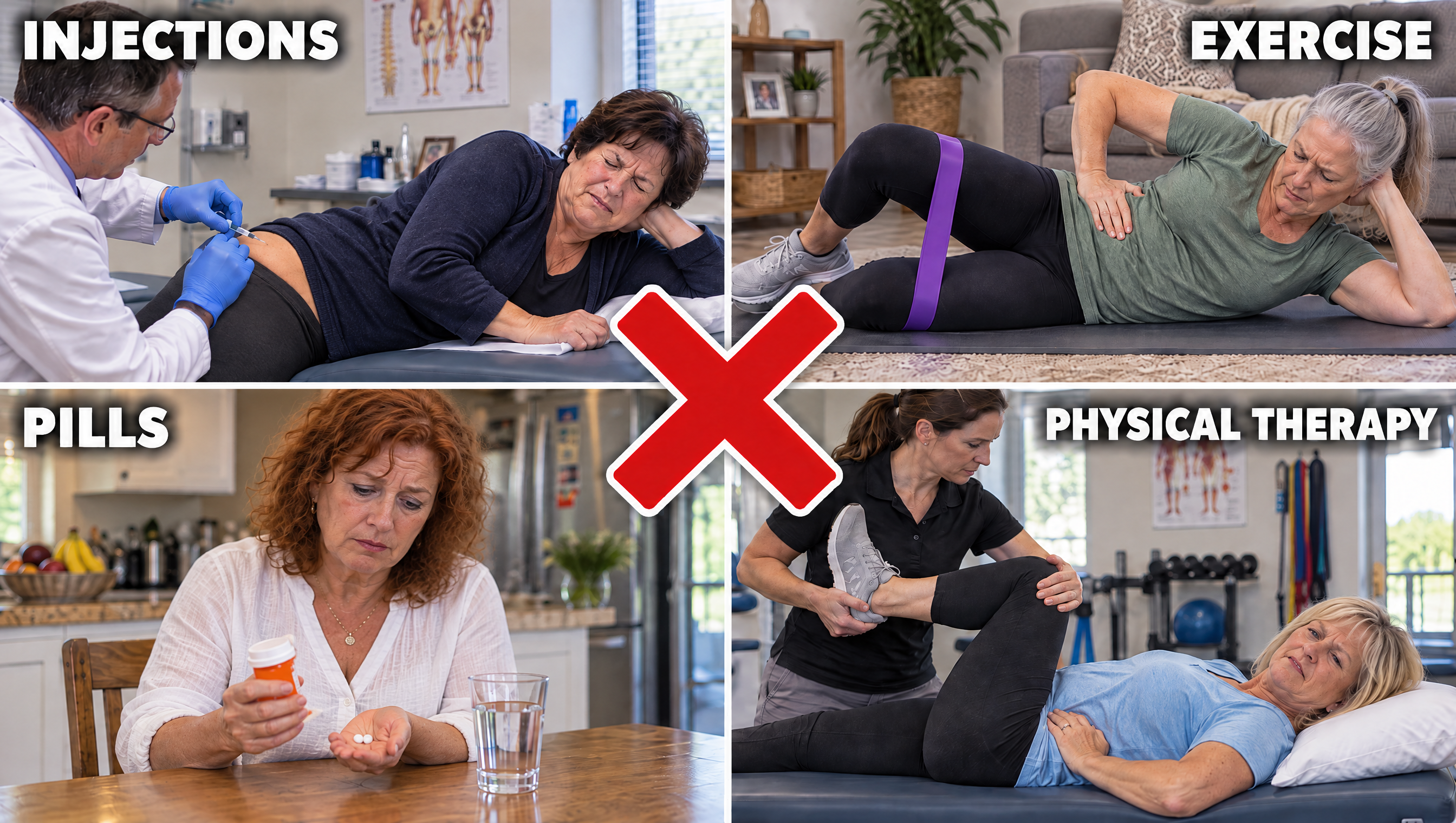
Let me walk you through what you've already tried. And why none of it worked.
The people who recommended these things weren't lying. They just didn't understand the actual problem.
Start with the injections.
Cortisone into the outside of the hip.
The first one was a miracle: weeks of sleep.
The second, a few weeks.
The third, ten days.
They calm the tendon for a while. Then you stand up on the same hip, and the crushing starts again.
You weren't unlucky. The shot was never aimed at the cause.
Then came the exercises.
YouTube videos. Or a printout with clamshells, side-lying leg lifts, the figure-four stretch.
You did them. Maybe twice a day.
The idea was right: that muscle does need to get stronger.
But they ask a muscle to work that has stopped answering. (I'll show you why in a minute.) So another muscle takes over, and the tendon pays for it.
It's like pressing the gas with the handbrake on.
The videos online won't change that. They show the right exercises, for a muscle that's switched on.
You weren't doing it wrong. The order was wrong.
Then the pills.
Ibuprofen. Naproxen. Meloxicam if your doctor went further.
They quiet the pain signal. They don't touch the cause.
So the moment they wear off, the pain is right back. And now your stomach is burning too.
You spent hundreds on visits. And the pain still came back every night.
And if it dragged on long enough, someone brought up the S word.
Surgery.
It's not where most women end up.
But when a tendon like this finally tears, surgeons repair it.
Weeks on crutches.
Months of recovery.
And even then, nobody fixes what let the tendon get crushed in the first place.
If you've sat through that pitch, I'm sorry. I really am.
I've watched too many women go through every one of these steps and come back a year later still in pain.
Only now with a lighter bank account and less hope.
The whole industry is fighting on the wrong battlefield.
I should know. For a long time, I was part of it.
THE NIGHT IT FINALLY HIT ME
Then my wife, Carol, was diagnosed with gluteal tendinopathy.
She was 60.
I did everything I knew.
Exercises, ice, a shot, then another shot.
The same shots I'd given thousands of women.
For three years, she lived with it.
One night at 2:47 a.m., I woke up alone.
Carol had tried to get to the bathroom on her own.
Her hip gave out halfway across the bedroom.
She sat down on the cold tile and couldn't get back up.
I found her there. Not crying. Sobbing.
"I can't do this anymore," she whispered. "I can't even lie in my own bed."
I just stood there in the doorway. Useless.
A hip surgeon who had operated on thousands of hips, and couldn't help his own wife.
That night I went to war with everything I thought I knew about the hip.
Three months of research.
Ultrasound and MRI studies.
Research from Australia, where some of the best work on this condition is done.
Journals most clinicians never open.
And the answer wasn't in any of them.
It was in our kitchen drawer.
THE REAL CAUSE NOBODY IS TREATING
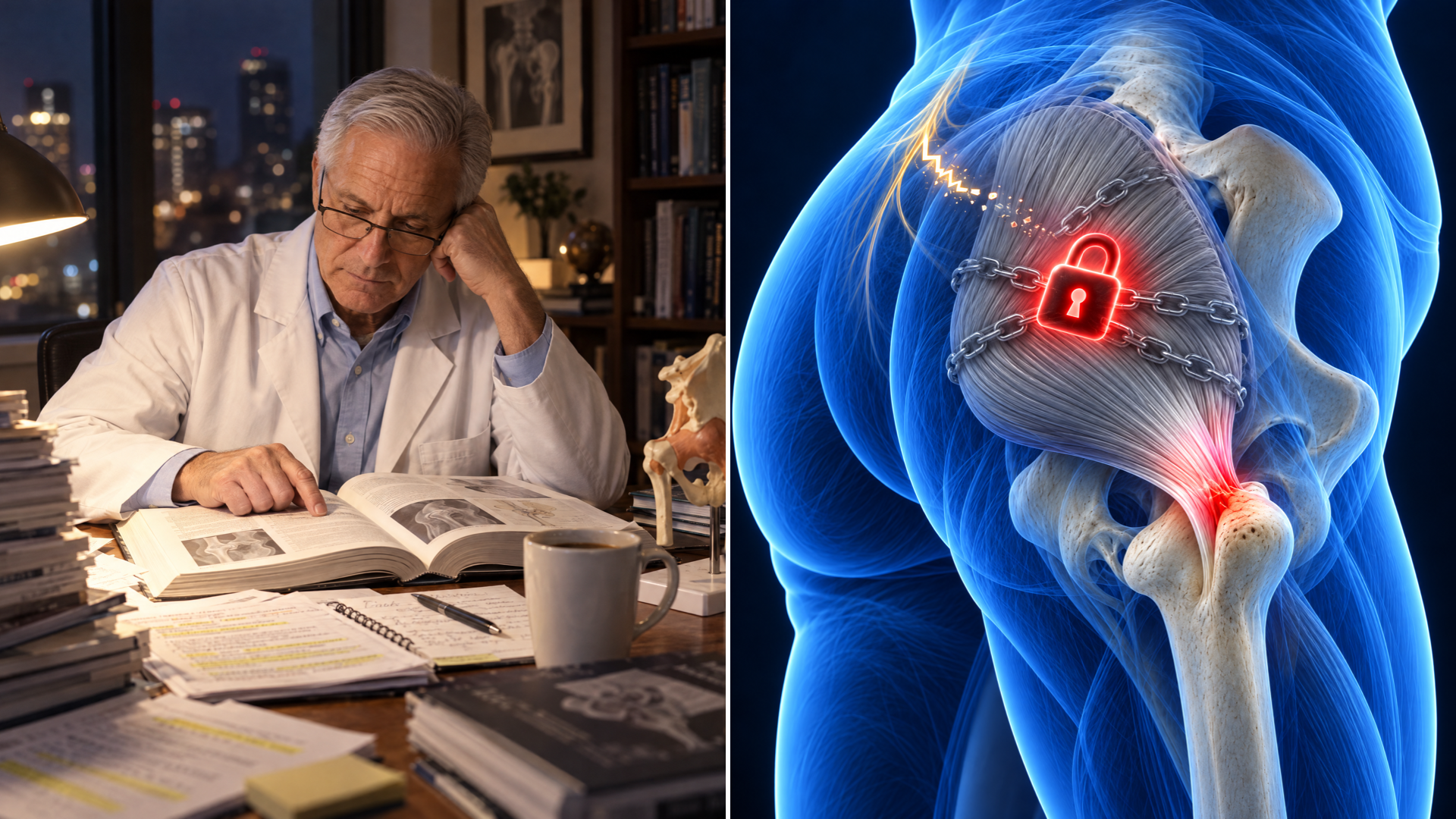
Carol's MRI report. Halfway down the page, under the diagnosis everyone had read:
"Gluteus medius tendinopathy. Fatty atrophy of the gluteus medius muscle."
In plain English: the muscle above the tendon had gone thin and quiet.
Every doctor had read the first line. Every one of them treated the tendon.
Nobody asked why the tendon was being crushed.
Researchers call it muscle inhibition. I call it Hip Muscle Lockout.
On the outside of your hip there's a fan-shaped muscle called the gluteus medius.
It runs from the top of your pelvis down to the bony point on the side of your hip.
Think of it as your hip's Guardian.
Every time you take a step, you stand on one leg for a moment, and the gluteus medius holds your pelvis level.
Here's how it switches off. And why it so often starts around menopause.
Step one: the muscle starts to fade. Decades of sitting teach it to switch off. A woman's wider pelvis asks it to work harder with every step. Then, as estrogen drops, women lose muscle faster, and tendons lose some of their spring. Year after year, the gluteus medius gets a little thinner and a little weaker. You don't notice.
Step two: the tendon gets irritated. A weaker muscle holds your pelvis a little less well, so the tendon underneath takes more of the load. One day, it starts to burn.
Step three: the brain locks the muscle out. When the tendon hurts, the brain does what it always does with pain. It protects. Like a breaker tripping in your house, it cuts the signal to the muscle so it pulls less on the sore tendon. The muscle still gets the signal. It just stops answering.
And that's the trap.
With the muscle locked out, your pelvis drops a little with every step.
The tissue on the outside of your hip pulls tight across the bone like a strap and presses the tendon into it.
All day.
Thousands of steps.
At night, lying on that side, your own weight presses it some more.
More pressure, more pain. More pain, more lockout. Around and around.
That's the burning.
That's the 3 a.m.
That's why the pain is worst on stairs, standing on one leg to put on your pants, and getting out of the car.
And it's why the shots keep failing.
Cortisone can calm the tendon for a few weeks.
But the muscle is still locked out, your pelvis still drops, and when the shot wears off, the crushing is right back.
Look at your own report.
If you see "gluteus medius," "tendinopathy," "tendinosis" or "atrophy," you've found the cause nobody treated.
So why is almost no one treating it?
Because there's no money in it.
You can't bill insurance for waking up a muscle at home.
You can't patent a muscle that starts working again.
And you can't put a surgeon's kid through Harvard by telling patients to fix their own hip in 15 minutes a day.
So the protocols stay the same. Shoot it. Medicate it. Try PRP. Talk about surgery.
A $47 billion industry stays a $47 billion industry by never selling the one thing that works.
You don't have a "worn-out hip" problem.
You don't have a "getting older" problem.
You don't have an "only another shot can fix it" problem.
You have a muscle that switched off. And the entire industry is treating everything except that.
THE THREE THINGS THAT MUST HAPPEN
Three steps switched your hip off. Three steps switch it back on.
One. The muscle has to be woken up. (It faded first.)
The gluteus medius has to contract again.
Not "be asked to" with an exercise it can't answer.
Actually contract.
Two. The load has to come off the tendon. (That's what got irritated.)
Once the muscle is back at work, it holds your pelvis level again, and the tendon underneath stops getting crushed.
This is where the healing happens.
Three. The brain and the muscle have to reconnect. (The brain is what locked it out.)
Contraction after contraction, the connection between brain and muscle comes back.
Otherwise the moment you stop, the muscle switches off again.
Miss any one, and you're wasting your time.
Exercises only attempt step one. And they ask a switched-off muscle to do it.
Cortisone only calms the tendon for a while.
Heat, ice and pillows? Comfort, but nothing changes.
Physical therapy? A little of step one, twice a week, and nothing in between.
You need all three. In the right order.
In plain English: switch the muscle back on first, with zero load on the tendon.
Then let it get stronger.
Not the other way around.
But here's the catch.
If the brain is the one holding the muscle down, how do you wake it up?
Every exercise starts with a signal from the brain.
And the brain is the one saying no.
You have to go around the lockout.
In my clinic, that meant NMES, neuromuscular electrical stimulation, on the outside of the hip.
The current reaches the nerve that drives the muscle directly, so the gluteus medius contracts even while the brain is still holding it back.
And because you're sitting or lying down, there's no body weight pressing the tendon into the bone while the muscle works.
Contraction after contraction, it switches back on and gets stronger: the strength the exercises were chasing, in the order the muscle can actually accept it.
I put Carol on it fifteen minutes a day.
Three weeks in, she slept on her bad side for the first time in a year.
Two months later, she was dancing at her niece's wedding.
No more shots. No PRP. No surgery.
If it worked for her, it could work for every woman who'd been told gluteal tendinopathy was just something she had to live with.
THIS BREAKTHROUGH IS UPSETTING AN ENTIRE INDUSTRY
After Carol's recovery, word spread fast.
Our neighbor Maureen, a third-grade teacher who stands in front of her class all day, knocked on our door at 9 p.m.
"Whatever you did for Carol… I need it. Now."
Maureen hadn't slept through the night in two years.
Three cortisone shots.
Ibuprofen with every meal just to get through the school day.
Fifteen minutes on the clinic unit.
She cried. Not from pain. From relief.
"It's like somebody turned the lights back on in my hip," she said.
Within weeks, I had a waiting list.
Teachers who couldn't stand in front of their class… Nurses who dreaded their twelve-hour shifts… Grandmothers who couldn't get down on the floor with the grandkids…
Every one of them got better.
Not "managed their pain" better. Not "learned to live with it" better.
Actually better.
That's when the pressure started.
WHEN YOU MESS WITH A $47 BILLION INDUSTRY, THEY COME FOR YOU
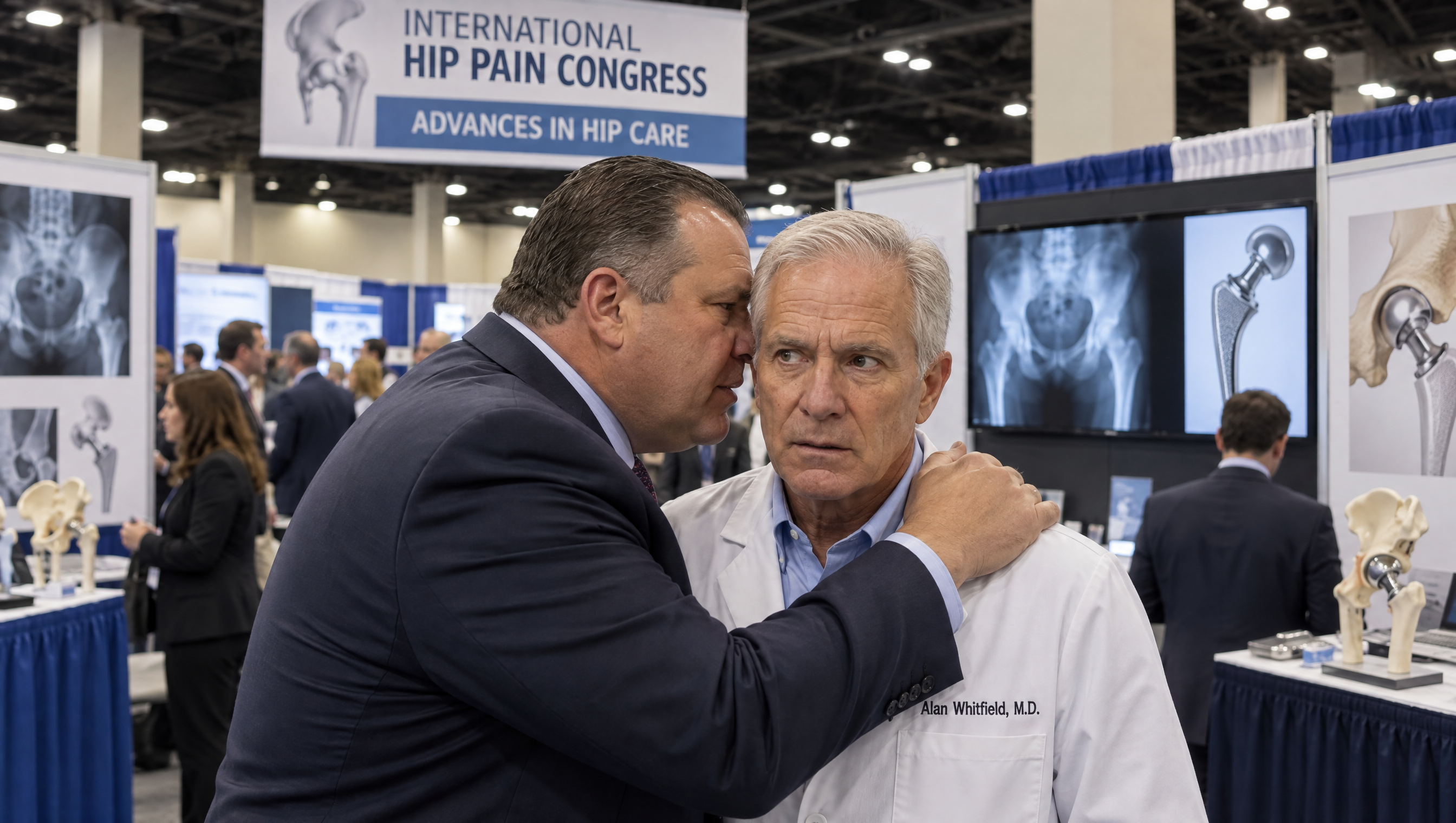
First, a fellow hip surgeon I'd known for years pulled me aside at a conference: "Alan, stop this before we all lose our Tuesday schedules."
Then came the calls from colleagues who sell PRP. Then a supplier suddenly "couldn't fill my orders."
Nothing personal. I'd found something that could empty their waiting rooms.
A device that:
✓ Goes after the root cause of gluteal tendinopathy (not just the pain)
✓ Works in 15 minutes a day (not weeks of appointments)
✓ Costs less than one PRP session (not thousands in procedures)
✓ Lets women do it at home (not in a clinic, twice a week)
✓ Is drug-free, with nothing to inject and no needles
But they were too late.
I'd already partnered with a small team of engineers who believed in what we were doing.
Together, we turned the clinic unit into a device any woman can use at home.
INTRODUCING THE DEVICE THAT ACTUALLY FIXES GLUTEAL TENDINOPATHY
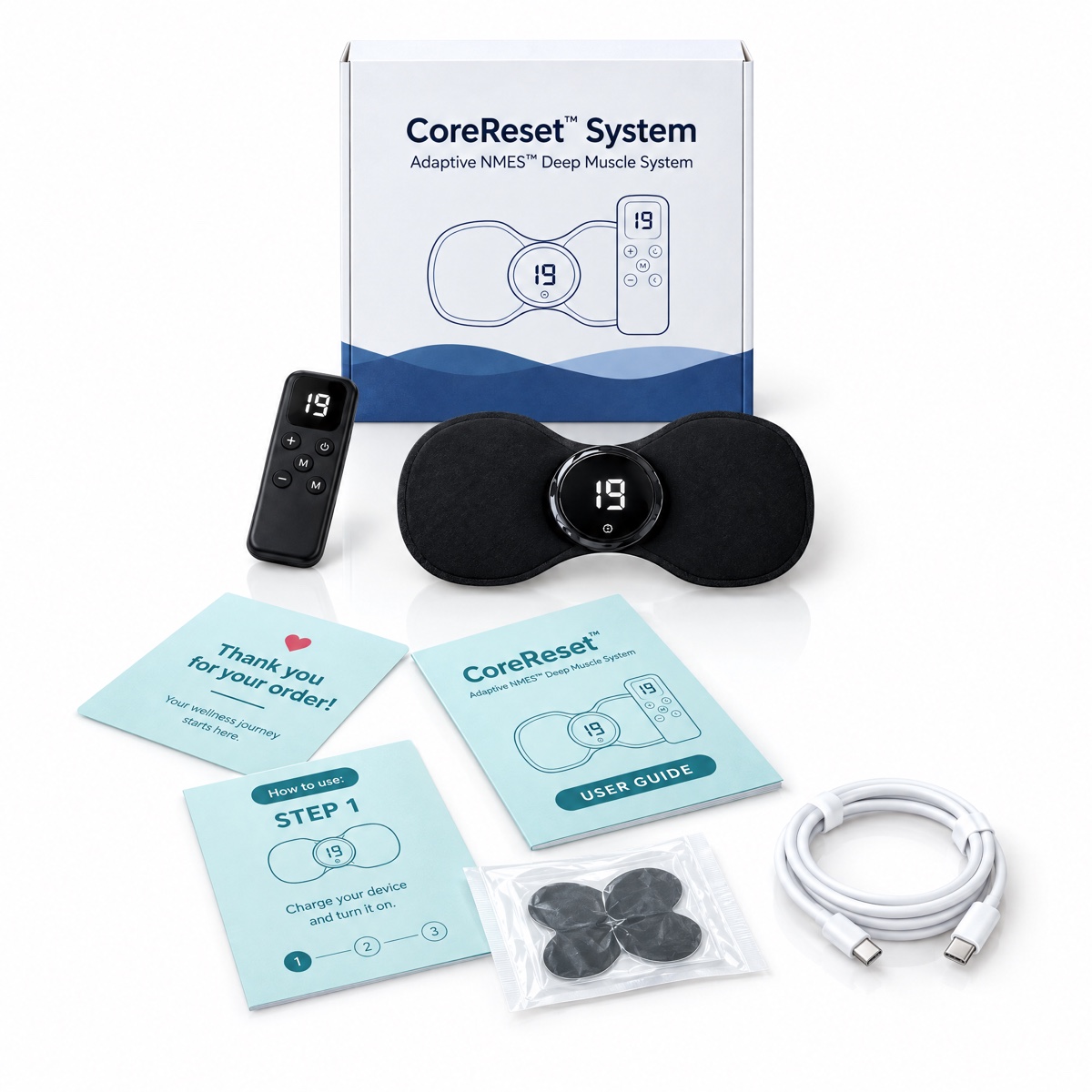
It's called the CoreReset NMES Pro.
And it's THE single device made to deliver all three things your hip needs, in the right order:
WAKE THE MUSCLE: real NMES, not a TENS. Within seconds you feel a deep pulse inside the gluteus medius. Not a buzz on the skin. The muscle on the side of your hip tightens on its own, and lets go. For many women, it's the first time in years they've felt that muscle do anything.
TAKE THE LOAD OFF THE TENDON: contract, relax, contract, relax. The same rhythm the gluteus medius is supposed to use every time you take a step. With the muscle back at work, the tendon on the bony point of your hip finally gets a break.
RECONNECT BRAIN AND MUSCLE: contraction after contraction, your brain feels the muscle working again. Session after session, the pathway comes back, and the muscle starts answering on its own.
All three. In one 15-minute session.
You sit or lie down, put the butterfly pad on the outside of your hip, and press one button on a remote with big buttons.
You start at the lowest of 20 levels.
No app.
After 15 minutes it switches itself off.
Once a day.
No appointments. No copays. No needles.
"Isn't this just a TENS unit?"
No. And the difference is everything.
A TENS unit sends a light current into the nerves of the skin to cover up the pain signal.
You feel a tingle.
The muscle doesn't move.
Turn it off, and the pain is back, because nothing changed underneath.
NMES works on the nerve that drives the muscle.
The gluteus medius actually contracts, the way it should when you take a step.
That's what wakes up a locked-out muscle.
A TENS can't do that.
5 to 8mm deep
The muscle stays asleep.
30 to 50mm deep
Forces it to fire.
The deep stabilizers of your hip sit thirty to fifty millimeters below the skin. Surface stimulation stops at eight.
And the cheap stimulators sold online?
Most are TENS units, or pads made for thighs and abs.
They were never set up for a small, deep muscle on the side of your hip.
The pain doesn't vanish in one session, and anyone who promises you that is selling something.
What changes, week by week, is the muscle.
And the tendon underneath it finally gets the quiet it needs.
YOUR FIRST 60 DAYS: WHAT TO EXPECT
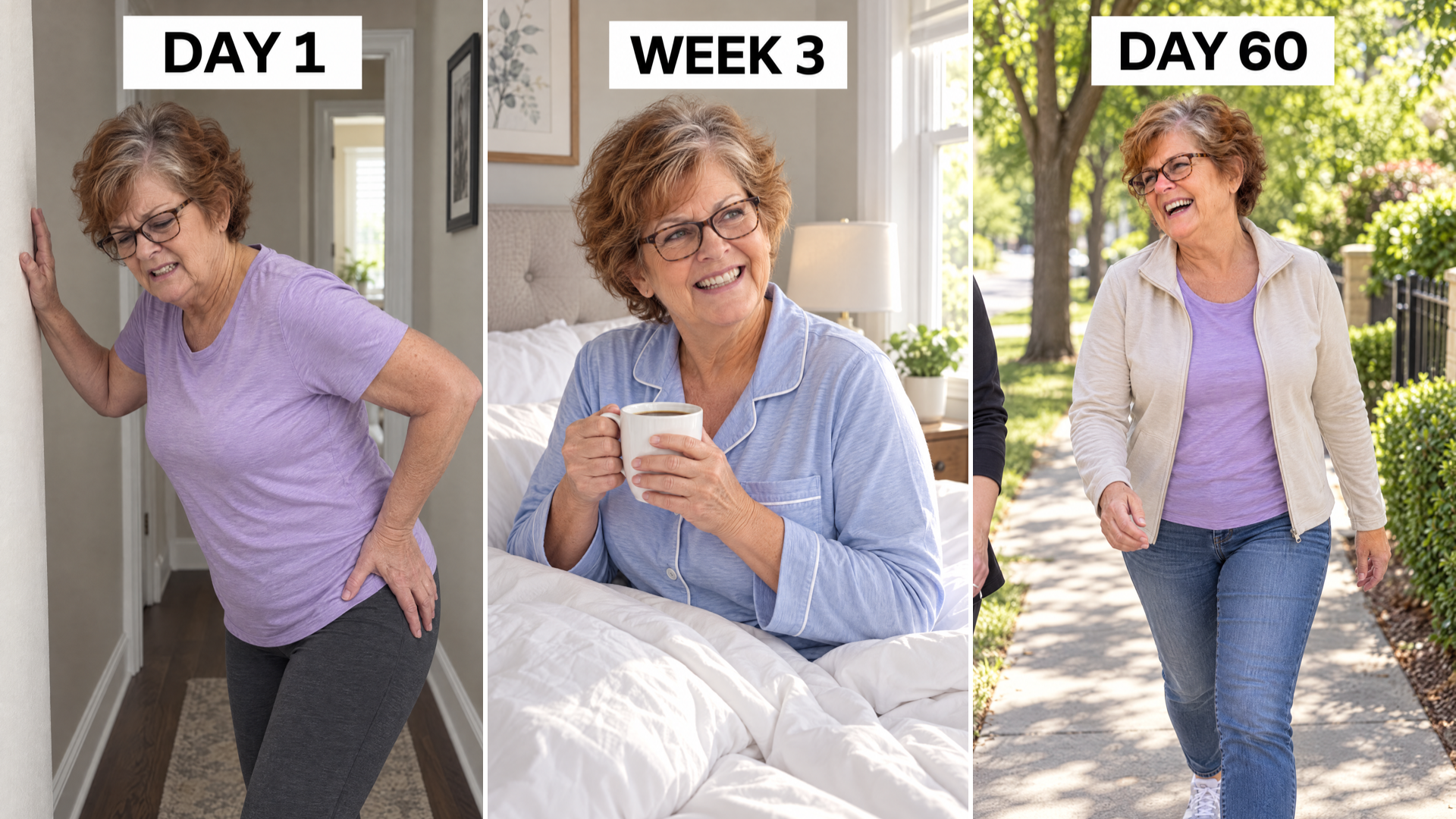
DAY 1: You feel the muscle on the outside of your hip contract on its own. Maybe for the first time in years. By the end of the session, the side of your hip feels lighter, as if something finally let go.
WEEK 1: The pillow between your knees stays where you put it. You wake up less. Getting out of bed takes one move instead of three.
WEEK 3: You lie down on the bad side. And fall asleep there.
WEEK 6: The stairs. Foot over foot, instead of one step at a time, good leg first.
DAY 60: You catch yourself saying yes. To the walk. To the trip. To getting down on the floor with the grandkids. Without doing the math on how much it's going to hurt tonight. And you no longer need it every day.
Check Availability Now →THE RESULTS THAT HAVE DOCTORS SCRAMBLING
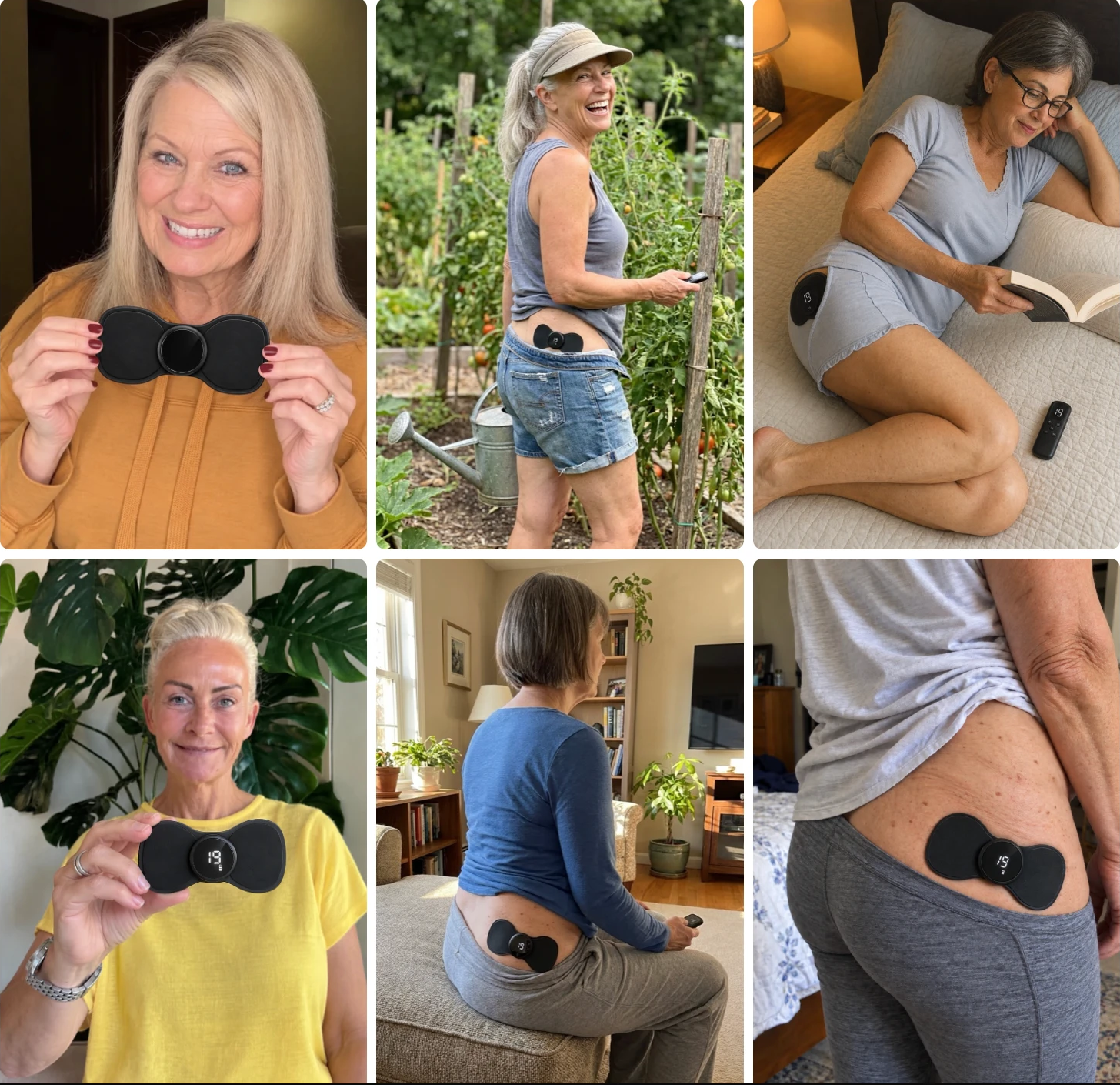
CoreReset is rated 4.9 out of 5 by more than 11,500 customers.
The results?
Most feel the deep pulse in the muscle in the very first session.
Many sleep on their bad side again within the first three weeks.
And many have cancelled their next cortisone appointment.
But my favorite part?
Almost nobody asks for a refund because "it didn't work."
Check out what real users are saying:

My orthopedic surgeon literally asked ME what I'd been doing. When I told him about CoreReset, he wrote the name down for another patient. That's when I knew this was different.
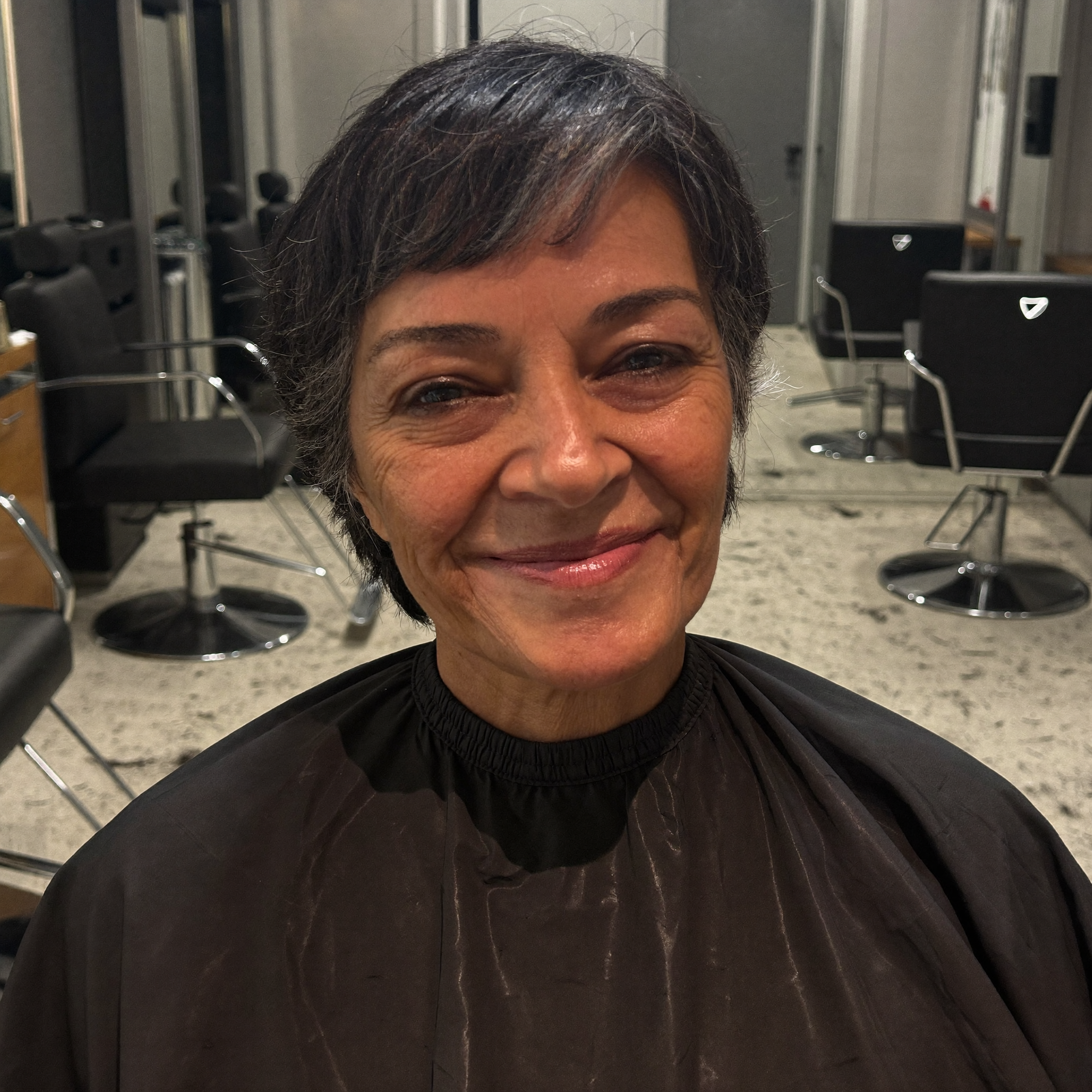
I'm a hairdresser. On my feet nine hours a day. Bad hip = no work = no pay. This thing saved my job. Period. Worth 10x what I paid.

I'm 63. They told me another cortisone shot was my only option. Been using CoreReset for 2 months. Just booked a walking trip to Colorado. My doctor can keep his needle.
THE PRICE THAT'S CAUSING MEDICAL INDUSTRY PANIC
Let me show you what treating gluteal tendinopathy really costs in America:
The Injection Route:
Office visit. Imaging. A cortisone shot every few months.
Each one lasting less than the last.
Until the doctor says, "No more shots in that hip."
The PRP Route:
$1,000 to $3,000 a round, usually not covered by insurance.
Some women do it twice.
The Surgery Route:
If the tendon tears: surgery, crutches, months of recovery.
And no guarantee you won't be back.
The medical industry LOVES these options.
Know why?
Because you keep coming back.
More visits = more billing. Another shot = another visit. Temporary relief = a lifetime patient.
It's a goldmine built on women who just want to sleep on their side.
But here's what really bothers them…
A clinic-grade NMES routine costs a fortune when you do it the clinic way: an appointment, a copay, three times a week, for months.
I didn't build this to get rich.
I built it because I found my wife on the bathroom floor at 2:47 a.m.
Because Maureen was one more shot away from giving up her classroom.
Because too many women are told to "live with it" at 60.
So here's the deal:
The regular price is $139.99.
Already less than a single round of PRP.
But that's not what you'll pay today.
THE CHOICE THAT WILL DEFINE YOUR NEXT DECADE

Right now, you're at a crossroads.
Path #1: Keep Doing What You're Doing
Keep booking shots that last less every time.
Keep doing exercises on a muscle that can't hear them.
Keep sleeping in that half-on-your-back position that sometimes helps.
Keep missing out because walking means burning.
And every month you wait, the muscle stays locked out a little longer.
It gets thinner.
The tendon takes more of the load.
The women who wait the longest take the longest to bring back.
Keep being a patient instead of a person.
Path #2: Wake Up the Muscle
Spend less than one PRP session.
Fifteen minutes in the evening, lying down, while the muscle does the work your exercises were trying to do.
Fix the cause instead of chasing the pain.
Wake up tomorrow with hope instead of dread.
The choice seems pretty obvious to me.
THE QUESTIONS WOMEN ASK ME BEFORE THEY START
My physical therapist already tried e-stim on me. It only helped for a few hours.
Most clinic e-stim is used for pain, or for ten minutes twice a week, and rarely placed on the gluteus medius itself.
CoreReset makes that muscle contract, right where it sits, every day.
The goal isn't a few quiet hours.
It's a muscle that switches back on and stays on.
Will it hurt? My hip is already so tender.
You start at the lowest of 20 levels.
It feels like a deep, rhythmic pulse inside the muscle, not a shock.
One button turns it down or off.
I can't even do the exercises anymore. Can I still use it?
Yes.
That's exactly who it's for.
You don't lift your leg or balance.
You sit or lie down, and the muscle does the work while you rest.
Will I have to use it forever?
No.
Daily for the first 60 days, while the muscle comes back.
After that, most women use it now and then, the way you'd keep any muscle in shape.
And unlike a shot or a PT visit, you only pay once.
What if it doesn't work for me?
Then you shouldn't pay for it.
Most women feel the deep pulse in the very first session.
But every hip is different, so you have 90 days to try it at home, longer than the 60 days most women need to feel the difference, and you're covered by our 90-day money-back guarantee.
THE 64% OFF "IN YOUR FACE" TO THE MEDICAL ESTABLISHMENT





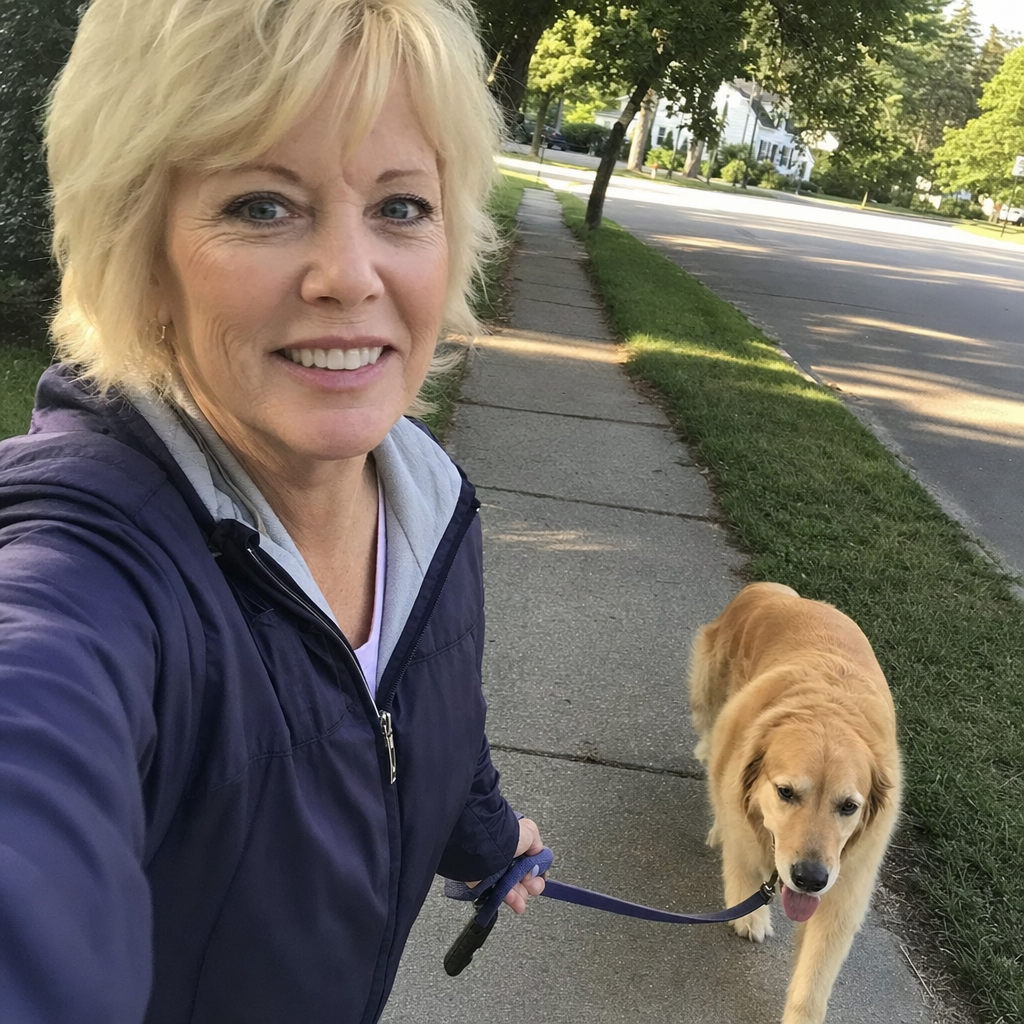



Finally! Get Relief From Pain on the Outside of Your Hip!
 CHECK AVAILABILITY NOW →